
For many Utah families raising autistic and neurodivergent children, mealtime can become one of the most emotionally exhausting parts of the day. A child may happily eat only a handful of foods, reject an entire meal because the texture feels different, or suddenly refuse a favorite snack because the packaging changed. At the same time, rising grocery prices can make it difficult to consistently provide those few foods a child feels safe eating.
At Bridgeway Connections, we understand that these challenges are about far more than picky eating. They represent real, everyday barriers that can affect a child’s health, family routines, and ability to fully participate in therapies, school, and community life. As a Utah nonprofit dedicated to removing non-clinical barriers to care, we support families by addressing obstacles like food insecurity, transportation, and access to inclusive community resources throughout Salt Lake City, St. George, and communities across the state.
Understanding Sensory Food Aversions
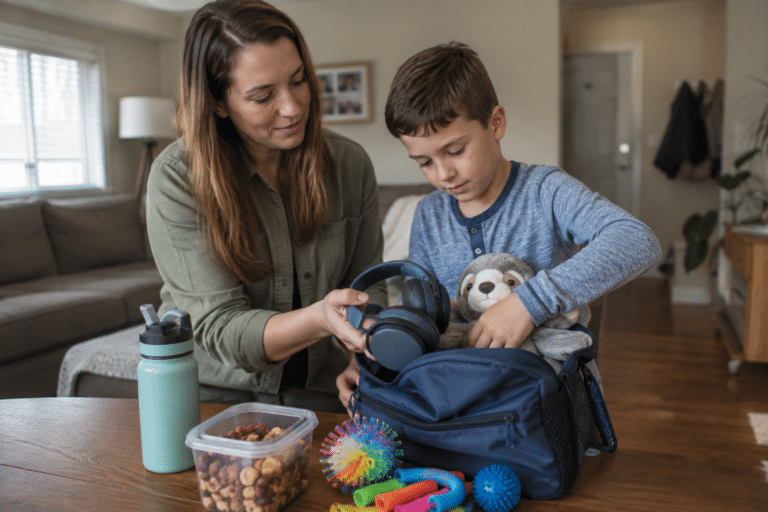
Many neurodivergent children experience the world differently through their senses. Taste, smell, texture, temperature, color, and even the sound of chewing can influence whether a food feels safe or overwhelming.
A child might:
- Prefer crunchy foods but avoid soft textures.
- Eat foods that are only one specific color.
- Reject mixed foods where ingredients touch.
- Notice tiny changes in preparation that adults would never recognize.
- Feel anxious when asked to try unfamiliar foods.
These responses are not about being stubborn or refusing to cooperate. Sensory processing differences can make certain foods genuinely uncomfortable or distressing.
Research published in Frontiers in Pediatrics has shown that food selectivity is significantly more common among children with autism than among typically developing peers, often resulting in limited dietary variety and increased nutritional concerns.
Understanding this difference allows caregivers to replace frustration with curiosity and compassion.
When Sensory Challenges and Food Insecurity Overlap
Food insecurity creates another layer of stress for families already navigating sensory needs.
Many children who experience sensory food aversions rely on a very limited number of “safe foods.” When those foods become unavailable because of cost, supply shortages, or household financial strain, families may feel trapped between purchasing expensive preferred foods and introducing alternatives their child cannot tolerate.
This can lead to:
- Increased mealtime stress.
- Missed nutrition opportunities.
- More family conflict around eating.
- Greater caregiver burnout.
- Financial pressure from repeatedly purchasing rejected foods.
The USDA estimates that millions of children live in households experiencing food insecurity each year. For families caring for neurodivergent children, these challenges often become even more complicated because flexibility around food choices is limited.
Supporting Nutrition Without Pressure
Parents often receive well-meaning advice to “just keep offering the food” or “they’ll eat when they’re hungry.”
While gradual exposure may work for some children, every child is unique. Nutrition support should respect individual sensory experiences rather than forcing change.
Helpful strategies include:
Celebrate Safe Foods
Safe foods provide predictability and reduce anxiety.
Instead of eliminating familiar foods immediately, build around them by offering small opportunities to explore similar textures or flavors without expectations.
Keep Mealtimes Calm
Removing pressure often creates better opportunities for exploration.
Children are more likely to feel comfortable trying something new when they know they will not be forced, bribed, or punished.
Introduce Small Changes Slowly
Tiny adjustments often feel less overwhelming than dramatic changes.
Examples include:
- Different shapes of the same food.
- A familiar food served beside a new item.
- New packaging opened in advance.
- Similar brands with comparable textures.
Progress may happen gradually, and that’s okay.
Include Children in Food Preparation
Some children become more comfortable around food when they can participate without pressure to eat.
Simple activities include:
- Washing vegetables.
- Stirring ingredients.
- Choosing grocery items.
- Helping prepare lunch.
Participation builds familiarity before tasting ever becomes the goal.

Caring for the Caregiver
Food challenges rarely exist in isolation.
Parents are often balancing therapy appointments, school meetings, transportation logistics, financial pressures, and daily caregiving responsibilities. Mealtime stress can become one more responsibility added to an already full schedule.
Research from the Journal of Autism and Developmental Disorders consistently shows that caregivers of autistic children experience higher levels of chronic stress than many other parenting groups, highlighting the importance of practical community support.
Caregivers deserve support, too.
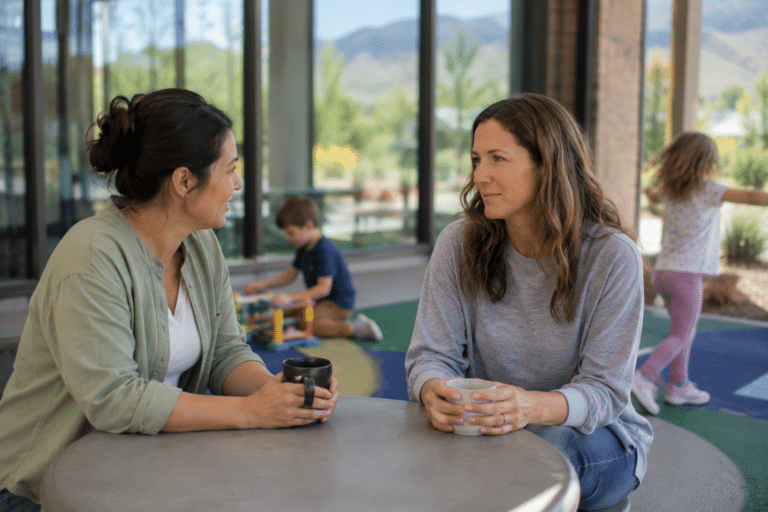
Finding understanding through local organizations, parent groups, community events, and nonprofits can reduce isolation while offering practical resources.
The Importance of Community-Based Support
Nutrition challenges cannot always be solved inside the kitchen.
Sometimes the biggest obstacles happen outside the home:
- Difficulty accessing grocery stores.
- Transportation barriers to therapy appointments.
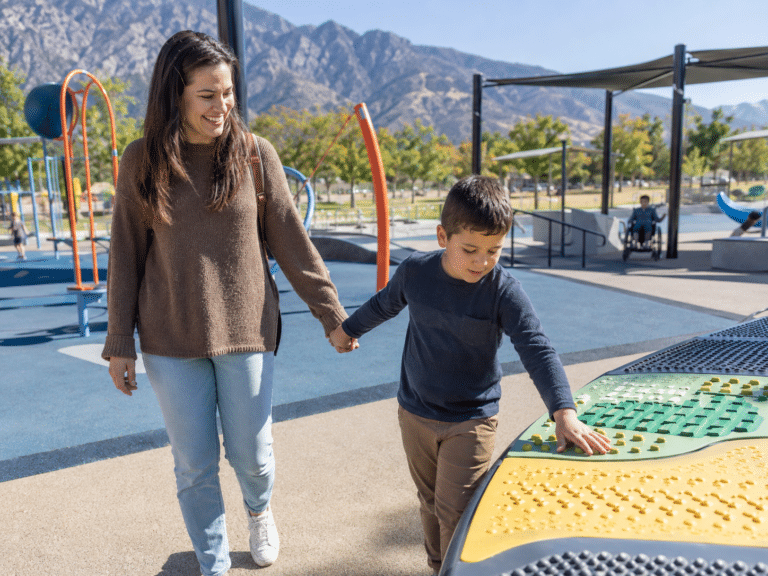
- Limited access to inclusive community spaces.
- Financial hardship is affecting food availability.
- Lack of local family support.
These are exactly the types of non-clinical barriers that organizations like Bridgeway Connections work to reduce.
Rather than focusing solely on diagnoses or treatment plans, community support helps families access the everyday resources that make healthy routines possible.
Across Utah including Salt Lake City, St. George, and neighboring communities families benefit when transportation, food access, and sensory-friendly environments become more available.
Small Wins Matter
Every family’s journey looks different.
One child may add a single new fruit after months of exploration.
Another may become comfortable sitting at the dinner table without anxiety.
Another family may simply experience less stress because reliable food assistance allows them to consistently purchase safe foods.
These moments deserve celebration because they represent meaningful progress.
Supporting neurodivergent children isn’t about achieving perfection. It’s about creating environments where children feel safe, respected, and understood while giving caregivers practical tools to navigate everyday life.
Building Stronger Utah Communities Together
Families thrive when communities recognize that supporting neurodivergent children extends beyond medical care.
Businesses, schools, nonprofits, community organizations, and neighbors all play important roles by creating more inclusive environments and helping remove barriers that make daily life harder.
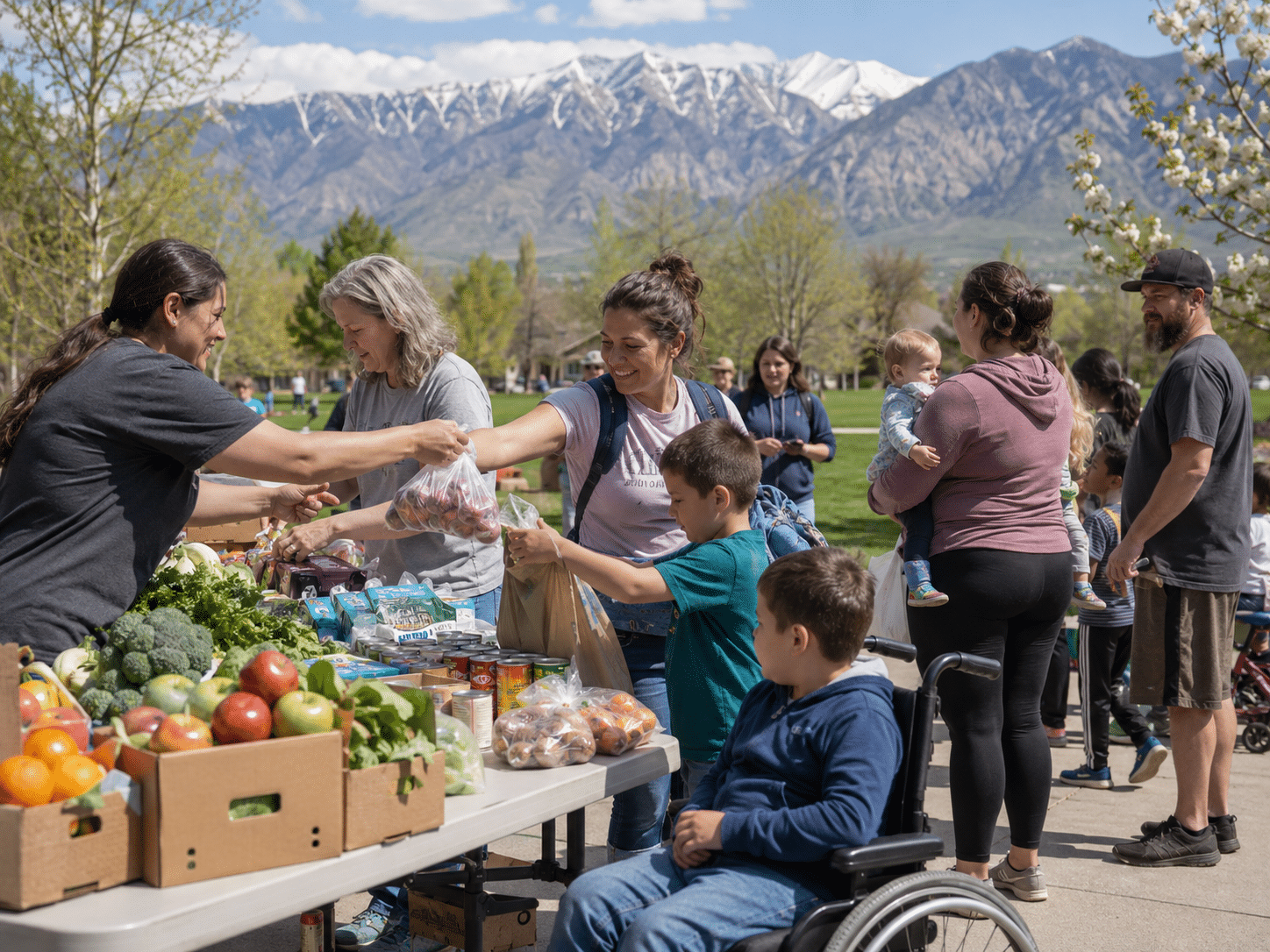
Whether through food assistance initiatives, sensory-friendly community events, specialized transportation, or inclusive recreational spaces, every act of support strengthens the broader Utah special needs parenting community.
When families feel connected rather than isolated, children have more opportunities to participate, grow, and succeed.
Helping Families Thrive with Bridgeway Connections
Every child deserves the opportunity to grow in a supportive environment where nutrition, community, and belonging work together. Families navigating sensory food aversions and food insecurity should never have to face these challenges alone.
At Bridgeway Connections, we are committed to removing the non-clinical barriers that stand between neurodivergent children and the care, opportunities, and community they deserve. Through practical support, inclusive resources, and strong partnerships across Utah, we help families build resilience without asking them to carry every burden by themselves.
If you’re looking for compassionate autism support resources in Utah, assistance with everyday challenges, or ways to strengthen your family’s connection to your local community, visit / to learn more about our programs, discover available resources, and join us in creating a more inclusive future for neurodivergent children and their caregivers.