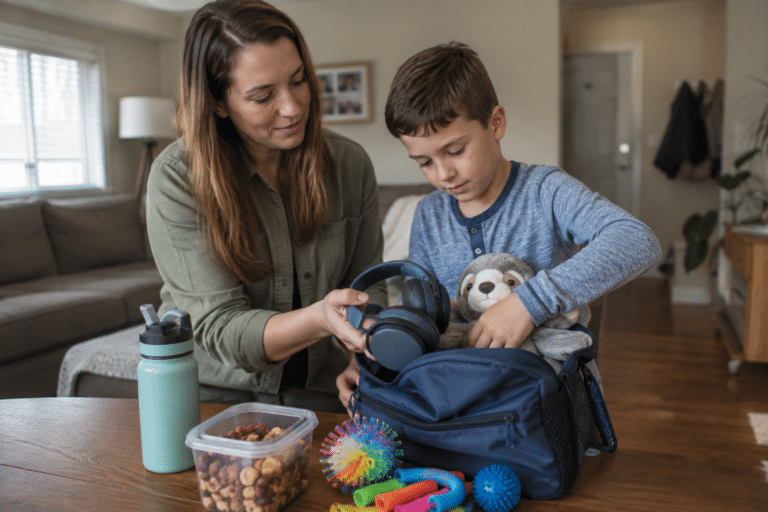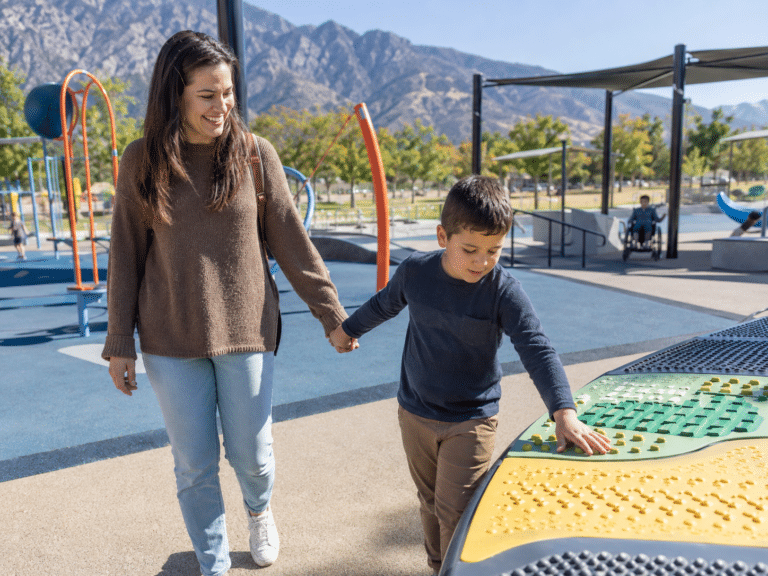

Raising a neurodivergent child can make everyday family life look very different from what others expect. A simple appointment may involve coordinating transportation, preparing for sensory challenges, packing familiar foods, communicating with providers, and rearranging work or school schedules. Even joyful activities can require extra planning.
For families navigating special needs parenting in Utah, support should not be treated as an occasional bonus. It can be part of the infrastructure that makes daily life more manageable.
At Bridgeway Connections, we understand that families may already have therapists, doctors, educators, and other professionals involved in their child’s care. Yet important non-clinical barriers can remain, from transportation and food insecurity to a shortage of sensory-friendly spaces.
A strong support network helps fill those gaps. More importantly, it gives parents and caregivers people they can actually turn to when life gets complicated.
Why a Support Network Matters
Caregiving can involve an enormous amount of invisible work. You may be coordinating appointments while advocating at school, researching autism support resources in Utah, managing meals, helping your child regulate after an overwhelming day, and trying to keep the rest of family life moving.
Research supports the importance of connection. A 2022 meta-analysis incorporating 28 studies and 13,270 parents of autistic children found a significant relationship between social support, parenting stress, and quality of life. Greater support was associated with reduced parenting stress, which was in turn connected with better quality of life.
Building a network does not mean collecting as many contacts as possible. The goal is to create several dependable layers of support.
1. Identify What Kind of Help You Actually Need
Start by asking a practical question: What currently makes our family’s week harder than it needs to be?
Your answers might include:
- Getting your child to appointments
- Finding sensory-friendly activities for kids
- Preparing appropriate meals consistently
- Finding someone who understands your child’s needs
- Getting a few hours of reliable respite
- Navigating school or community resources
- Having another adult you can talk to without explaining everything first
This exercise turns the vague idea of “needing more support” into specific needs that other people and organizations may be able to address.
For example, if transportation repeatedly causes missed appointments, finding specialized medical transit in Utah may make a bigger difference than adding another general parenting resource to your bookmarks.
2. Build Your Inner Circle
Family members, friends, neighbors, and trusted community members can become an important first layer of support. However, people often do not know how to help unless the request is specific.
Instead of saying, “We could use some help,” consider requests such as:
“Could you pick up groceries on Thursday?”
“Could you watch my other child while we’re at an appointment?”
“Would you come with us to the playground so I have another adult there?”
Specific requests make support easier to give.
A study involving 454 parents of children with autism found that perceived support from friends was particularly important in protecting against parental stress, even after researchers accounted for professional support.
Your network does not need to understand every aspect of neurodivergence immediately. What matters is whether people are willing to listen, learn, respect boundaries, and become dependable.
3. Connect With Parents Who Understand the Daily Reality
A particular kind of relief can come from talking with another caregiver who doesn’t need a lengthy explanation of sensory overload, food selectivity, appointment fatigue, or why a seemingly simple outing requires extensive preparation.
Look for parent groups, inclusive community events, online communities, school connections, and a neurodivergent family community in Salt Lake City, St. George, or your local Utah community.
The CDC also recommends local or online support groups as a way for family caregivers to exchange information, connect with people facing similar experiences, and reduce isolation.
These relationships can provide emotional support and practical knowledge. Another parent may know which playground is quieter in the morning, which local activity offers accommodations, or where to begin looking for transportation assistance.
4. Include Practical Support, Not Just Emotional Support
When people hear “support network,” they often imagine someone available to talk. Emotional support matters, but families may also need tangible help.
A study of 674 parents caring for autistic children examined several forms of support, including emotional, informational, financial, and tangible assistance. Parents perceived informal supports as particularly helpful.
That distinction matters.
Sometimes support means listening after a difficult day. Sometimes it means having someone who can drive, prepare food, watch a sibling, research a resource, or help make an outing accessible.
Consider building a network that includes different roles rather than expecting one person to provide everything.
5. Make Community Participation Work for Your Child
Connection should include your child, too.
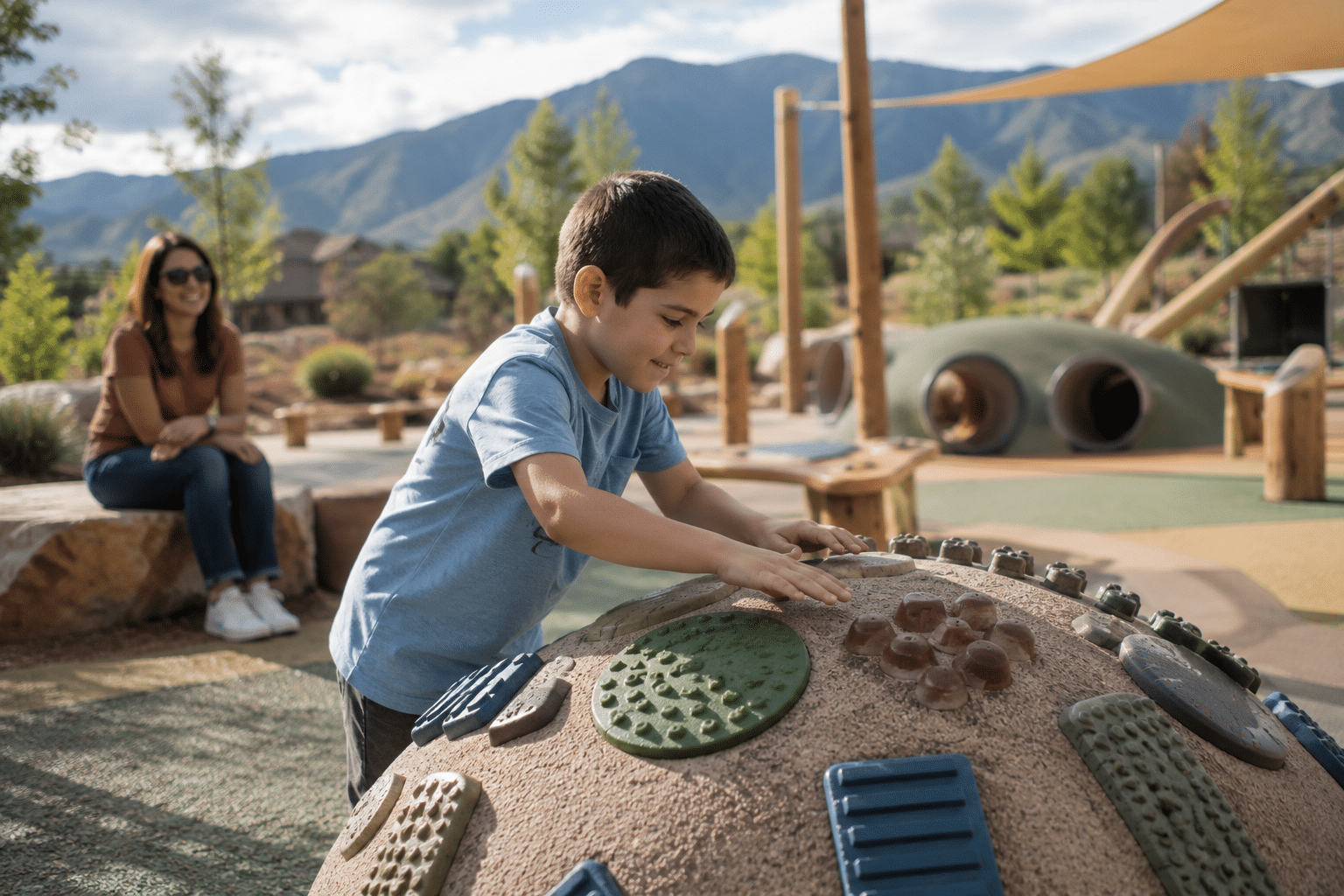
Look for environments where your child can participate without constantly being expected to tolerate surroundings that overwhelm them. That could mean quieter community events, outdoor activities, smaller groups, flexible programming, or spaces with sensory-integrated playground equipment.
Before going somewhere new, ask about noise, crowds, lighting, quiet areas, accessibility, food policies, and whether your child can step away and return.
A sensory-friendly activity does not need to remove every stimulus. It should provide enough flexibility for children with different sensory needs to participate in ways that work for them.
6. Create a Simple “Who Can Help?” List
During a stressful moment, remembering every available resource can be surprisingly difficult.
Create a short list divided into categories such as:
- Transportation
- Food and household needs
- Childcare or respite
- School support
- Therapy-related logistics
- Sensory-friendly activities
- Parent-to-parent support
- Emergency backup
Include organizations as well as individuals.
The CDC notes that meeting the complex needs of an autistic family member can create emotional, financial, and physical stress, while resources such as respite care can support family well-being.
Keep your list somewhere accessible and update it as your child’s needs change.
7. Remember That Support Can Change With Your Family
The network that works when your child is five may not be the network you need at 10, 15, or 18.
School transitions, new therapies, changing sensory needs, puberty, transportation requirements, and greater independence can all change what “help” looks like.
Periodically ask yourself:
What is creating the most pressure for our family right now?
Then adjust your support network around the answer.
This is also why seeking non-clinical autism support can be so valuable. Clinical care is important, but a family can have excellent providers and still struggle to reach appointments, find appropriate activities, maintain consistent access to food, or manage everyday logistics.

Building a Stronger Community Around Your Family
A strong support network does not eliminate the hard days. It helps ensure fewer of those days are navigated alone.
For Utah families raising neurodivergent children, meaningful support can come from relatives, friends, other parents, schools, community organizations, local businesses, and nonprofits working together. The strongest network is not necessarily the biggest. It responds to your family’s real needs and respects your child as an individual.
Bridgeway Connections works to remove the non-clinical barriers that can stand between neurodivergent youth and essential care, including challenges involving transportation, food insecurity, and access to sensory-friendly spaces.
If your family needs practical support, or if you are a Utah community member or business looking for ways to strengthen resources for neurodivergent families, visit Bridgeway Connections to learn how to get involved.